
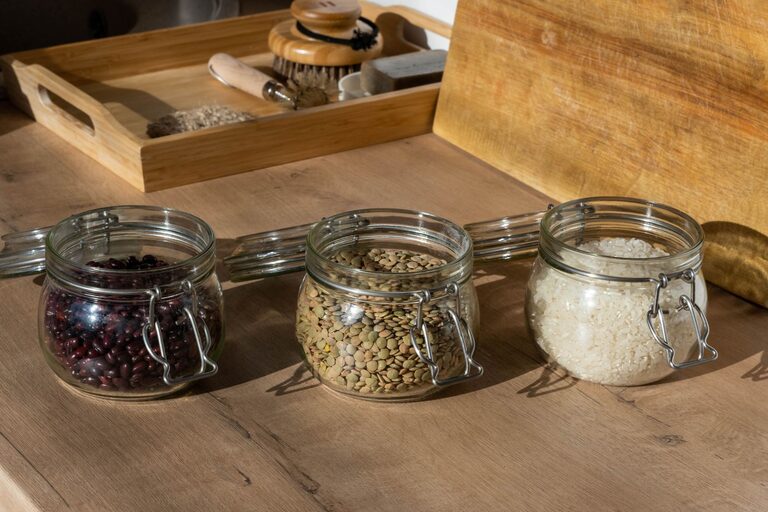
Planning meals using pantry staples is a smart way to save time, reduce food waste, and create delicious dishes without frequent grocery trips. With a well-stocked pantry and a little creativity, you can whip up satisfying meals anytime. This guide will help you make the most of your pantry essentials and plan meals that are easy, nutritious, and budget-friendly.
Why Plan Meals from Pantry Staples?
Pantry staples are non-perishable or long-lasting ingredients like canned goods, grains, dried beans, and spices. Having these items ready means you can:
– Cook quickly without relying on fresh produce every day
– Save money by using what you already have
– Reduce last-minute trips to the store
– Experiment with different recipes and flavors
By organizing your pantry and thinking ahead, meal planning becomes a seamless part of your weekly routine.
Step 1: Assess Your Pantry Inventory
Before you start planning, take an inventory of what you have. This will help you avoid buying duplicates and highlight ingredients you can use soon.
How to Take Inventory
– Pull everything out and group similar items together (canned vegetables, grains, spices, etc.)
– Check expiration dates and usability
– Note quantities of staples like rice, pasta, beans, and sauces
– Jot down ingredients you want to use up
Having a complete view makes meal planning more efficient.
Step 2: Choose Versatile Pantry Staples
Certain staples are versatile and appear in many recipes. Here are some essential staples you might want to keep stocked:
– Grains: rice, quinoa, pasta, couscous, oats
– Legumes: canned or dried beans, lentils, chickpeas
– Canned goods: tomatoes, coconut milk, broth, tuna
– Baking essentials: flour, baking powder, sugar
– Oils and vinegars: olive oil, vegetable oil, apple cider vinegar
– Herbs and spices: garlic powder, cumin, paprika, dried herbs
– Nuts and seeds: almonds, sunflower seeds, chia seeds
These staples provide a strong base for many meal types.
Step 3: Plan Meals Around Your Staples
Start designing meals that use the ingredients you have on hand. Consider meals that require minimal fresh ingredients or that can be complemented easily.
Sample Meal Ideas Using Pantry Staples
– Rice and beans bowl: Use rice, canned beans, canned tomatoes, and spices like cumin or chili powder. Top with fresh or frozen vegetables if available.
– Pasta with tomato sauce: Combine pasta with canned tomatoes, garlic powder, olive oil, and dried herbs. Add canned tuna or chickpeas for protein.
– Lentil soup: Use dried lentils or canned lentils with broth, canned tomatoes, and spices for a hearty, warming meal.
– Chickpea curry: Simmer canned chickpeas with canned coconut milk, curry powder or paste, and canned tomatoes for a creamy dish.
– Oatmeal with nuts and seeds: For a simple breakfast, cook oats with water or milk and add nuts, seeds, and a drizzle of honey or maple syrup.
Step 4: Supplement with Fresh or Frozen Ingredients
While pantry staples are great, adding fresh or frozen produce can enhance flavor and nutrition. Plan to buy small amounts of easy-to-store vegetables and fruits like carrots, onions, spinach, potatoes, or frozen mixed vegetables.
Tips for Balancing Pantry and Fresh Ingredients
– Use fresh garlic and onions to boost flavor
– Add frozen vegetables near the end of cooking to retain nutrients
– Keep lemons or limes on hand for a fresh zing
– Buy seasonal produce for better taste and price
Step 5: Organize Your Pantry for Easy Access
To plan well, your pantry should be organized and easy to navigate.
Organization Tips
– Group items by category (grains, canned goods, spices)
– Use clear containers or labels to identify contents
– Store frequently used items at eye level or in front
– Rotate stock by placing newer items at the back
An organized pantry encourages cooking and reduces food waste.
Step 6: Create a Flexible Meal Plan
Draft a weekly or biweekly meal plan based on your pantry staples and available fresh ingredients.
How to Make a Flexible Meal Plan
– Choose 3-4 main dishes that use pantry staples
– Plan leftovers or variations for other days
– Keep a list of quick snacks or sides from staples (like toast with peanut butter)
– Allow room for improvisation based on what’s on hand
This flexibility helps avoid mealtime stress.
Bonus Tips for Success
– Keep a “pantry recipe” list: Write down your favorite meals built around pantry staples for easy reference.
– Batch cook: Prepare double portions and freeze for busy nights.
– Check staples regularly: Replenish essential items before they run out.
– Try new spices: Experiment with different seasonings to keep meals exciting.
Conclusion
Planning meals from pantry staples is a practical strategy to eat well while saving time and money. By knowing what you have, organizing your pantry, and choosing versatile recipes, you can enjoy tasty meals with minimal effort. Start by taking stock today, and discover how easy pantry meal planning can be!